

|
|
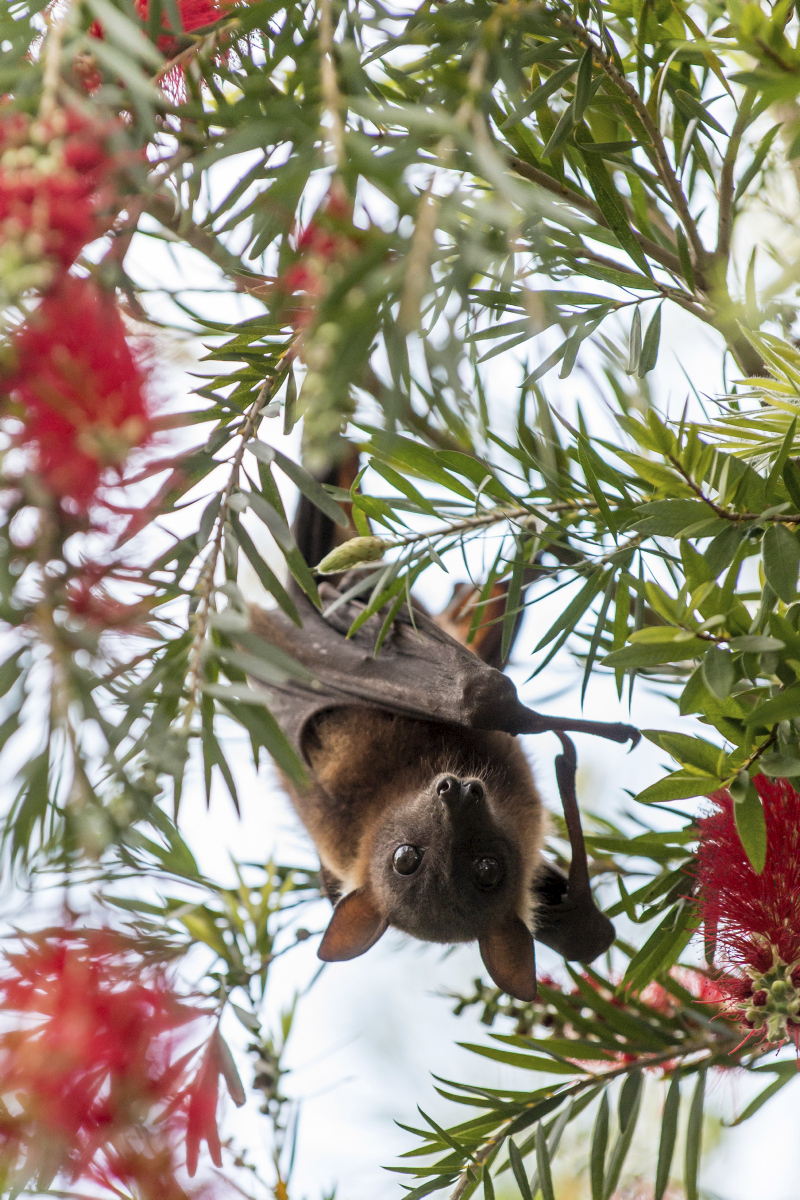
PollinatorsPollinators move pollen from male organs to female organs of plants (modified from the Australian museum 2018)[15]. The pollination process allows plants to form seeds and/or fruit. Approximately 88% of flowering plants worldwide depend on animals for pollination[9][12]. In Australia, pollinator groups include but are not limited to bees, wasps, ants, flies, butterflies, moths, beetles, lizards, honeyeaters, lorikeets, flying-foxes, blossom bats, and non-flying mammals such as pygmy possums and gliders[11]. In Queensland wetlands, animals assist in pollinating plants like mangroves (Avicennia marina, Sonneratia spp.), Melaleuca as well as Syzygium and Banksia species, ensuring the persistence of these key plant groups in wetland landscapes[17][4][6][7][18].
Quick facts
There is a diverse array of animal pollinator species[12]. At the global scale, bees (Hymenoptera) are the most important pollinator group[12]. Moths and butterflies (Lepidoptera) are the most diverse group of pollinators by a large margin[12]. Other pollinator groups comprise beetles (Coleoptera), wasps and ants (Hymenoptera), flies (Diptera), thrips (Thysanoptera), birds, mammals and lizards[12]. Animal pollinators typically support genetic diversity in plants by promoting cross-fertilisation and reducing inbreeding, which in turn strengthens plant populations against disease, pests, and changing environmental conditions[9]. Animal pollinators will often be attracted by food rewards offered by flowers, including sugary nectar and the pollen. Some species are attracted by scent, and others have colour preferences[19]. Animal pollinators are vital for ensuring gene flow between plant populations, especially in fragmented landscapes where birds and bats can transfer pollen across large distances. This exchange of genetic material increases adaptability and resilience, contributing to the stability of ecosystems over time. Many species of animal pollinators (bees, flies, butterflies, birds, bats etc.) can visit and pollinate the same species of plants and may be referred to as generalist pollinators[10]. Specialised pollinator relationships exist where plant species depend on single species or narrow functional groups for pollination or a plant possesses highly specialised traits that limit which species can pollinate them[1]. An example of a well-known specialised pollination relationship is that between the fig (Ficus spp.) and fig wasp (Agaonidae). The female wasp carrying pollen, squeezes into the tiny opening of the fig inflorescence (syconium). Inside the synconium, hundreds of tiny flowers are pollinated by the wasp which lays its eggs inside. This is a mutually dependent relationship whereby the plant receives pollination necessary for seed production while the wasp larvae are able to develop within the safety of the fig[13][1]. Pollinators support key ecosystem services such as food production in both natural and agricultural systems, nutrient cycling through organic matter turnover, and carbon storage through the maintenance of dense, diverse vegetation[16][9]. Without pollinators, many plants would fail to reproduce successfully, leading to cascading effects on food webs, biodiversity, and ecosystem resilience. Pollinators sustain canopy trees and understory vegetation that underpin wetland structure and ecological functions. Insects and bats pollinate mangroves, maintaining their reproductive success and, by extension, their role in shoreline protection, sediment capture, and provision of habitat for aquatic species. Nectivorous (feeding on nectar) birds such as honeyeaters and lorikeets, as well as flying-foxes and the common blossom bat (Syconycteris australis), pollinate Melaleuca forests, supporting seasonal pulses of nectar that sustain large populations of fauna during critical periods[4][11]. Gliders and non-flying mammals, including pygmy possums pollinate Banksia species, helping to preserve plant diversity and contribute organic litter inputs that support nutrient cycling and soil formation[18][6]. By maintaining the reproduction of these foundational plants, pollinators ensure the persistence of wetland vegetation communities that regulate water quality, provide carbon sinks, and support overall wetland resilience. Pollinators can act as sensitive indicators of wetland condition, as shifts in their diversity or abundance often reflect changes in habitat quality, hydrology, or floral resource availability[14]. Monitoring pollinator activity can provide insight into ecosystem health and the continuity of ecological processes. In wetland management, sustaining pollinator populations requires strategies such as conserving native flowering plants, protecting riparian corridors, and maintaining natural hydrological cycles[9][2].Management should also reduce pesticide use and chemical runoff from surrounding catchments, as these pressures can have both lethal and sub-lethal effects on pollinators[8], reducing their ability to forage and reproduce[5]. By incorporating pollinators into management planning, wetlands can be better safeguarded against ecological decline, ensuring that their biodiversity and functions remain intact. References
Last updated: 22 July 2026 This page should be cited as: Department of the Environment, Tourism, Science and Innovation, Queensland (2026) Pollinators, WetlandInfo website, accessed 17 September 2026. https://wetlandinfo.detsi.qld.gov.au/wetlands/ecology/components/biota/fauna/fauna-functional/pollinators.html |


Site footer


 — Department of the Environment, Tourism, Science and Innovation