

|
|
WetlandUpdate February 2026
World Wetlands Day is celebrated on 2 February each year. It marks the anniversary of the signing of the Convention on Wetlands of International Importance in the Iranian city of Ramsar in 1971. The convention now has a global membership of over 170 countries and the day represents a global awareness campaign to highlight the value of wetlands. Find more information on World Wetlands Day events in Queensland. This year’s theme is ‘Wetlands and traditional knowledge: Celebrating cultural heritage’. In Queensland, wetland ecosystems are of material and cultural importance to Indigenous people; many have profound cultural significance and values. For more information, see the materials provided from the Ramsar Convention website at https://www.worldwetlandsday.org.
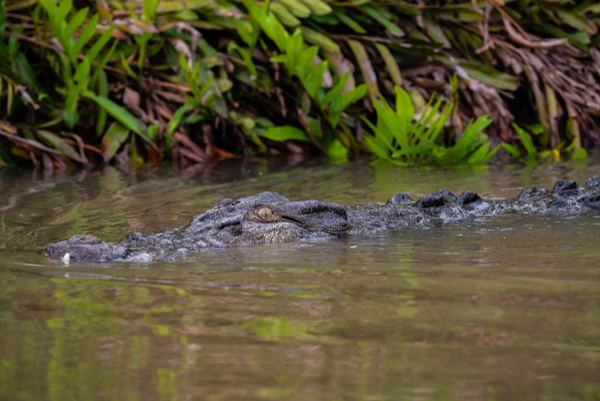 Using our wetlands safelyWetlands throughout Queensland contain an amazing amount of biodiversity and beautiful, unique, landscapes. With complex and diverse environments comes a variety of safety considerations to make sure visitors to Queensland’s wetlands make it home after each visit. This page contains a brief guide to accessing and enjoying Queensland’s wetlands, safely. Ecosystem services tables to support the Whole of System, Values-based Framework FactsheetThe Whole of System, Values-based Framework (Framework) is a management framework that draws explicit connections between the biophysical environment (e.g. the components, processes), the services provided by the environment (ecosystem services) and how the beneficiaries of these services value them. It emphasises the importance of involving the people who use and value the system in planning and management, while also incorporates the intrinsic values of an area. This factsheet outlines the project that will work with key partners to develop ecosystem services tables for individual ecosystem services, providing details of how specific components and processes combine to deliver those services.
UpdatesUpdated layers on WetlandSummary and WetlandMapsPrograms, Policy and Legislation pagesReviewed and updated content to maintain accuracy and relevance, including new references to the new Accepted development requirements for operational work that is constructing or raising waterway barrier works. Additional links
WetlandUpdateThe WetlandUpdate is a regular bulletin sent to subscribers to provide you with the latest WetlandInfo resources and tools, as well as case studies, video information and new project fact sheets. WetlandInfo feedback and improvementsContact us via email for feedback, information or questions about wetlands. WetlandInfo feature species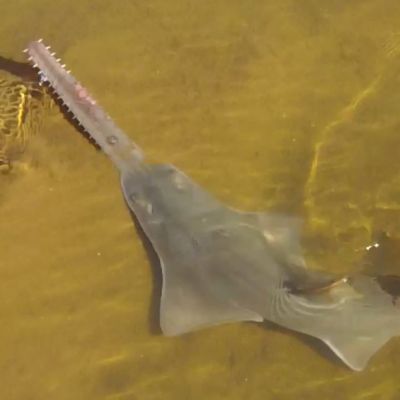 The feature species for February 2026 is the Pristis pristis, the freshwater sawfish (other common names include freshwater (largetooth) sawfish). The freshwater sawfish is the largest freshwater fish in Australia, in the family Pristidae. The freshwater sawfish is found worldwide in tropical and subtropical coastal regions, but also enters freshwater. A critically endangered species, it is an easily recognised species by the extension of their upper jawbone, the rostrum that resembles a saw with serrated edges. The freshwater sawfish feeds on fish, molluscs and crustaceans. The 'saw' can be used to both stir up the bottom of a waterbody to find prey and to slash at groups of fish. Some First Nations communities in Northern Australia have strong cultural connections to sawfishes and in some communities, sawfish are a source of food. Overfishing and habitat change are impacting sawfish populations, with a dependancy on freshwater and estuarine water quality and availability. The sawfish will spend its first 3-4 years in estauries and rivers, growing to half its adult size (3m). After this, they move to coastal and offshore waters up to 25m deep. Freshwater sawfish embryos grow attached to the eggs inside the mother and are born alive at around 76cm in length, with their saws covered in a sheath to protect the mother. They grow up to 6.5m, with a flattened shape, two prominent dorsal fins, eyes positioned on top of their head with gills beneath their body. Their skin resembles that of sharks, which is sandpaper-like. Additional information
This section is updated regularly, so stay tuned for more! Last updated: 2 February 2026 This page should be cited as: Department of the Environment, Tourism, Science and Innovation, Queensland (2026) WetlandUpdate February 2026, WetlandInfo website, accessed 17 September 2026. https://wetlandinfo.detsi.qld.gov.au/wetlands/resources/publications/latest-news/2026-02-02.html |


Site footer


 — Department of the Environment, Tourism, Science and Innovation